If you are in the market for new doors, you may be overwhelmed by the variety of different types of doors there are available these days. One of the most popular door options you’ve probably come across is composite doors. But what are composite doors and what makes them so special?
That’s what we are going to discuss, as well as answer all of your frequently asked questions, so that you have all the information you need to make an informed buying decision.
A composite door is a type of door that is made from a combination of materials, such as uPVC, timber, and glass-reinforced plastic. Each material is carefully chosen to tackle flaws associated with traditional, single-material doors and as well as providing real, tangible benefits to your home, composite doors also look good too.
What is the difference between a composite door and a uPVC door?
In the past, wood was always used in the construction of doors.
That was until uPVC was invented and used and became more popular, particularly for external front doors and back doors.
uPVC was considerably more economical and required less maintenance than timber.
Eventually, when the concept of composite doors became a reality, they became the more popular choice.
The biggest difference is the fact that, as we’ve already noted, a uPVC door, in the same way as a timber door, is a single-material door and therefore limited because of that fact. Whereas a composite door is constructed from a combination of materials.
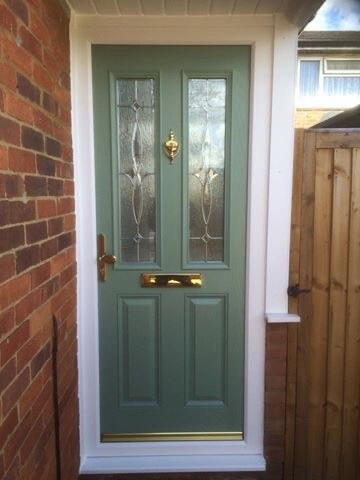
What are the benefits of a composite door?
As composite doors have been designed and constructed to solve a wide range of common problems associated with uPVC and timber doors, investing in them for your property offers some noteworthy benefits.
Stylish and Aesthetically Appealing
When you first heard about composite doors, did you think like a lot of people that they couldn’t possibly match the stylish good looks of a traditional timber door?
We’re not surprised, it is a common concern. One that is unfounded, because one of the key reasons why composite doors are so popular is the fact that they look like a normal door, with the option of additional customisations to make them completely bespoke doors.
Strong and Secure
When you are choosing a door for the front door or back door of your home, you want one that is strong to provide a high level of security for you and your family.
As composite doors utilise a steel-reinforced frame, something you don’t get in the alternatives, they are much stronger and more secure.
Not all composite doors are indeed made equally, though, so it’s important to choose a product and company that will supply and install the best you can afford for your home.
Durable
Opening up the above point a little more, composite doors are far stronger and more durable than each of the individual materials used in the door construction process.
They can withstand a lot of use and abuse, wear and tear and knocks and bumps. If a reputable company installs a high-quality composite door, there is a chance you won’t need to replace it for at least 35 years, and maybe even more.
It doesn’t peel or crack in the same way as timber and won’t look less appealing, fade or even warm like cheap uPVC over time.
Low Maintenance
Timber doors have been and still are renowned for their beauty. However, a major downside of the material, especially when used for front doors was the amount of maintenance and care required to look after them.
Even after putting a nice coat of paint on wood, it won’t always look as pristine and aesthetically-pleasing as it does in the beginning. Lots of care and attention is required to stop it from peeling, rotting or even cracking. Wood is one of those materials that weathers easily and quickly.
With composite doors, the above is not a problem. They only need to be washed with a damp cloth regularly to continue looking their best.
Thermal Efficiency
Common problems with older doors are the gaps and draughts that are caused by the frame shifting and warping, which makes them not that thermally efficient.
While wood benefits from reasonable thermal properties, when you consider these issues with the door frame and how much the door changes over time, it just can’t compete with the energy efficiency a composite door offers.
Composite doors are A-rated for their thermal efficiency and have a special insulating core that helps them retain heat. Furthermore, as they are manufactured precisely, they will sit perfectly in their frame and as they don’t tend to warp or shift over time, there is less chance of gaps and heat loss.
Kerb Appeal
The final benefit we want to highlight ties in nicely with the first benefit we noted about the aesthetics of composite doors.
We are not going to deny that something is stunning about a professionally painted timber door and that it can increase the value of the property. However, the above point still stands about wooden doors being harder to maintain.
Whereas composite doors can be designed to feature a moulded timber effect on their surface that makes them look as good as timber doors, with the bonus that they will stay that way with little to no effort.
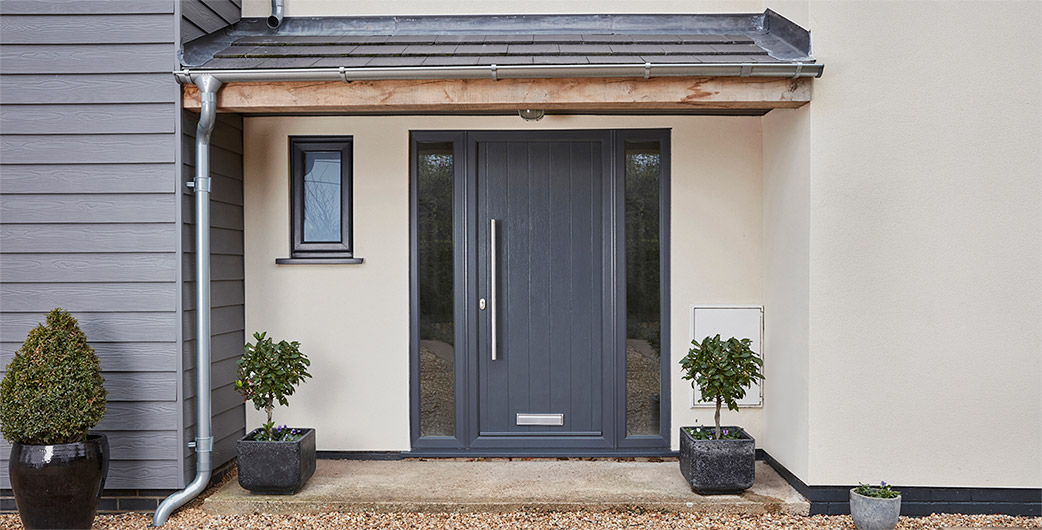
Why are composite doors more expensive?
Cost is a big factor to consider when choosing upgrades and enhancements to your property. While it is true that composite doors are more expensive than alternatives such as uPVC and timber doors, it is not without good reason.
They are considered to be the most advanced and efficient type of doors available and part of the expense is covered by this and the fact that they are constructed from various types of high-quality materials that address a multitude of common issues and faults.
How long do composite doors last?
As we have already highlighted, one of the key benefits of composite doors over the alternatives such as uPVC doors and timber doors is the fact that they are long-lasting.
Although it will depend on several different factors such as where you live, the quality of the door you invest in and the quality of the workmanship involved in its installation, the minimum lifespan you can expect from a composite door is between 30 and 35 years.
So, although it may cost you a little more, you will save money in time as you won’t need to replace it quite as soon as you would if you chose a different type of door.
Do Composite doors have metal in them?
Given that composite doors are made from a variety of different materials, you may wonder what they are made from and whether there is any metal involved in their construction.
We understand a metallic door does not sound very homely or appealing really. But, let us put your mind at rest by giving a brief overview of what is involved in the construction of composite doors.
Generally, composite doors are constructed from a solid timber core, a subframe, and the outer frame. In most cases, the subframe is made from several different uPVC components to help give the finished door a reasonable degree of stability and rigidity, while the outer frame is constructed from highly efficient and durable reinforced galvanised steel.
So, yes, some metal is used in the construction of composite doors and helps to give them a stronger structure.
It is not noticeable though, so it will not detract from the overall look and feel of the door.
For affordable doors in Hertfordshire or Essex with a 5-star rated installation service, contact our friendly team today to arrange a free, no-obligation quote or call us on 08081688563


